What to Expect from a Traditional English Breakfast at a B&B
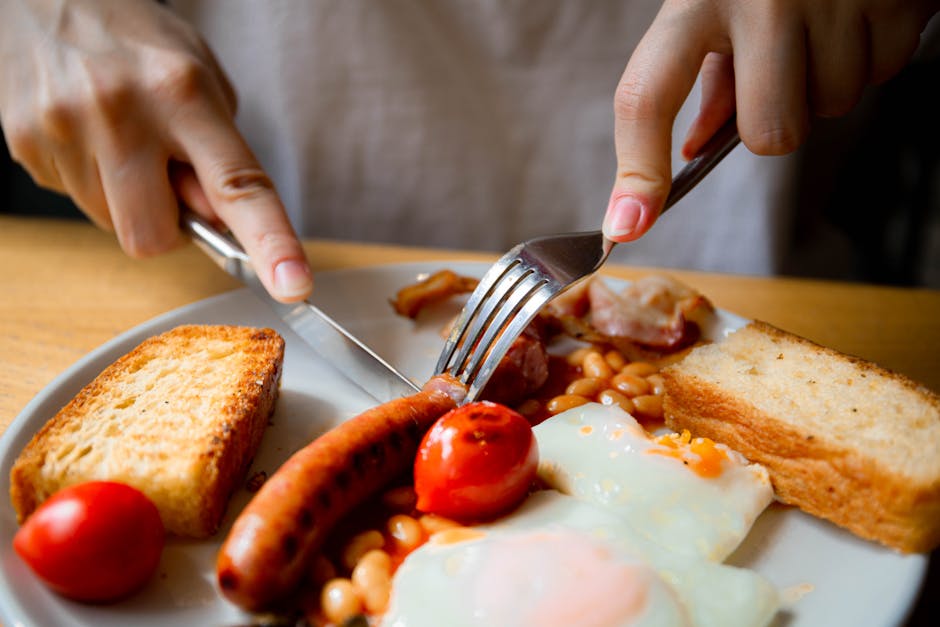
The bed and breakfast breakfast is central to the British holiday experience. For many guests, especially international visitors, it's their first proper introduction to a traditional English breakfast. Understanding what to expect helps you appreciate this cherished institution.
A full English breakfast typically includes bacon (back bacon, not American-style strips), eggs cooked to your preference, sausages, baked beans, grilled tomatoes, mushrooms, and black pudding. Most B&Bs serve this with toast or fried bread, and many include hash browns nowadays. Tea, coffee, and juice are standard, with some places offering smoothies and hot chocolate too.
Quality varies considerably. The best B&Bs use quality ingredients—proper pork sausages from local butchers, free-range eggs, and fresh mushrooms. Budget properties might use cheaper frozen components, which noticeably affects taste and texture. This is where reading reviews helps; guests often comment on breakfast quality specifically.
Dietary requirements are increasingly well-catered for. Vegetarian breakfasts substitute meat with extra vegetables, veggie sausages, or halloumi. Vegan options use plant-based alternatives. Gluten-free toast is widely available. Always mention requirements when booking so hosts can prepare appropriately.
Regional variations exist across the UK. Scottish breakfasts might include square sausage and tattie scones. Welsh breakfasts feature laverbread. Northern Irish breakfasts often include soda bread. These regional touches make breakfasts interesting and authentically representative of where you're staying.
Timing matters too. Most B&Bs serve breakfast between 7 and 9 am, though times vary. If you're an early riser or prefer sleeping in, confirm availability when booking. Some properties offer packed lunches if you're heading out early.
The breakfast experience extends beyond food. Good hosts use breakfast time to chat with guests, offering local recommendations and creating a convivial atmosphere. This social element distinguishes B&Bs from impersonal hotels.
A quality breakfast should fuel your day adequately, taste delicious, and reflect local food culture. When a B&B gets this right, it becomes one of the trip's highlights that guests remember long after returning home.